Facts Matter: Addressing Misinformation & Disinformation in Reproductive Health Care

Misinformation and disinformation (MDI) about birth control, abortion, and sexual health are spreading rapidly online—making it harder for people to access the accurate, trustworthy resources they need to make informed decisions about their health and fueling harmful policies that restrict access to that care.
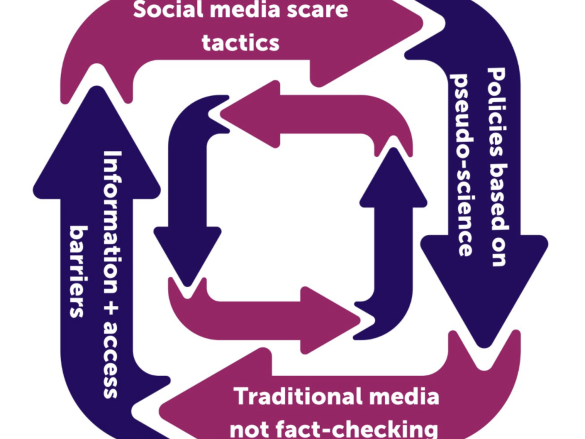
MDI ECOSYSTEM GRAPHIC

A self-reinforcing cycle of misinformation: social media scare tactics, policies based on pseudo-science, limited access to accurate information, and traditional media failing to fact-check all feed into and amplify one another. Together, these factors create an ecosystem where misinformation spreads and influences public understanding and policy.

Power to Decide is addressing this challenge across digital platforms, policy, HBCU campuses, and in the health care system—focusing especially on social media, where myths spread quickly and shape people’s knowledge of and access to reproductive health information and care.
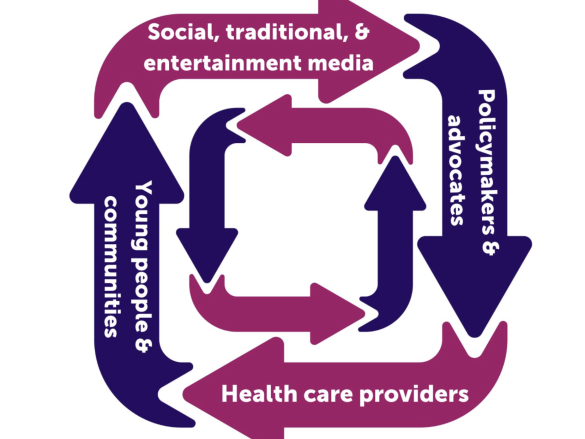
COMBATTING MDI GRAPHIC

Power to Decide’s Youth Reproductive Health Access (YouR HeAlth) survey shows that social media is a significant source of sexual and reproductive health information for young people, even if it’s not always their preferred source—making it more critical than ever to ensure they can find medically accurate, evidence-based resources where they already are.

Grounded in Facts

Social Media

Across Bedsider and AbortionFinder social channels, Power to Decide actively counters MDI with engaging, evidence-based content that addresses the most persistent and emerging myths circulating online—so people can access accurate information about their sexual and reproductive health where they already are.

Entertainment Media

Power to Decide works with writers, producers, and media partners across television, film, and digital platforms to ensure that stories about sex, relationships, and reproductive health are accurate, relevant, and grounded in real experiences.

By collaborating behind the scenes and providing research, resources, and expert guidance, we help shape storylines that reflect medically accurate information and resonate with audiences. These partnerships meet people where they already are—using popular media to spark conversation, challenge misinformation, and normalize informed decision-making about sexual and reproductive health.

Policymakers and Advocates

Through our federal and state policy work, Power to Decide addresses MDI by ensuring policymakers have access to accurate, evidence-based information as they shape laws and funding decisions. We convene briefings and share resources on emerging MDI trends and their impact on access to health care, while equipping advocates and decision-makers with medically accurate facts. At the same time, we advance policies that expand access to contraception and reproductive health care and push back against those rooted in misinformation—so policy decisions are grounded in science and support people’s ability to decide if, when, and under what circumstances to get pregnant and have a child.

Health Care Providers

When a patient walks in having seen a viral claim that birth control causes infertility or that emergency contraception is the same as abortion, what happens next depends on whether their provider is ready for that conversation.

Bedsider Providers equips health care professionals with timely, evidence-based information and scripts to address MDI in the exam room—so they can be informed about what their patients are seeing online. By tracking viral social media trends and translating them into clear guidance, Bedsider Providers helps clinicians stay ahead of emerging myths and respond with accuracy, empathy, and confidence, turning the exam room into a powerful intervention against health misinformation.

With regularly updated resources, including talking points and clinical insights, providers are better prepared to meet patients where they are and ensure conversations are grounded in trusted, medically accurate information.

Young People and Communities

At Power to Decide, we believe in providing young people with the information and resources around sexual and reproductive health to give them the opportunity to lead. Beyond the Sheets is a groundbreaking student-led movement dedicated to advancing sexual and reproductive well-being on HBCU campuses.

By shifting the power back to the community, we are supporting young people on HBCU campuses in creating their own table to develop, lead, and execute place-based engagement strategies to help increase knowledge and access to sexual and reproductive health services on their campus and surrounding communities.

Beyond the Sheets builds trust so medically accurate, trusted sexual and reproductive health information can spread across HBCU campuses.

News and Media

Power to Decide partnered with the Contraceptive Access Initiative to develop a comprehensive stylebook and coverage guide to support accurate, responsible reporting on pregnancy, contraception, and IVF. Designed for journalists navigating a complex and often politicized landscape, the guide provides clear, science-based standards, terminology, and best practices to help prevent the spread of misinformation and ensure coverage is grounded in established medical evidence.

Research

Power to Decide, in collaboration with Rutgers University and other sexual and reproductive health (SRH) experts, is leading a two-year project funded by the Society of Family Planning to examine how online misinformation and disinformation (MDI) shapes young people’s contraceptive knowledge, attitudes, and decision-making.

As adolescents and young adults (ages 15–29) increasingly turn to social media for health information—where content is often inaccurate or misleading—this mixed-methods study combines data from our nationally representative 2026 YouR HeAlth Survey with in-depth qualitative interviews to better understand the reach and impact of these narratives. The findings will help inform strategies to counter harmful misinformation and ensure young people have access to accurate, inclusive sexual and reproductive health information.